Fashion for beginners
Be yourself; Everyone else is already taken.
— Oscar Wilde.
This is the first post on my new blog. I’m just getting this new blog going, so stay tuned for more. My blog is here to help the young artists to begin their business and to start creating one of the kind pieces.Subscribe below to get notified when I post new updates.
THE FASHION INDUSTRY OF TODAY
Clothing represents more than 60% of the total textiles used and in the last 15 years, clothing production has approximately doubled, driven by a growing middle-class population across the globe and increased per capita sales in mature economies. At the same time, clothing use has declined by almost 40%. Both developments are mainly due to the ‘fast fashion’ phenomenon, with quicker turnaround of new styles, increased number of collections offered per year, and often, lower prices.
By moving to a circular system the industry can unlock a USD 560 billion economic opportunity. Realising this opportunity requires new business models and collaboration across the value chain (e.g. production, marketing, and after-sales care), to keep safe materials in use.
THE VISION OF A NEW TEXTILES ECONOMY
Creating business models which are restorative and regenerative.
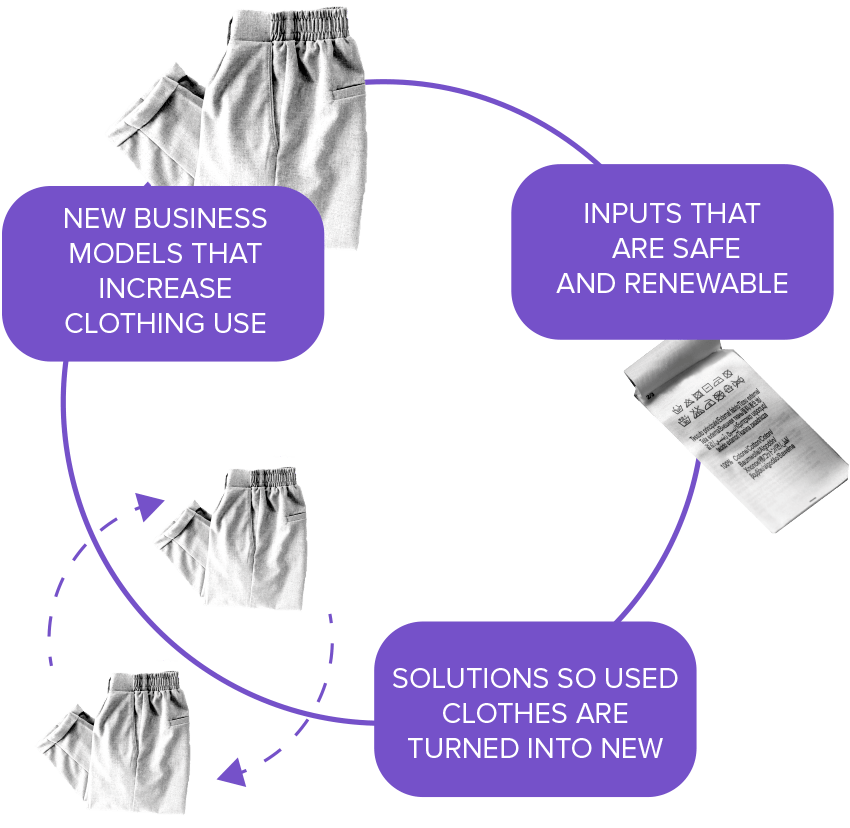
The overarching vision of a new textiles economy is that it aligns with the principles of a circular economy: one that is restorative and regenerative by design and provides benefits for business, society, and the environment. In such a system, clothes, textiles, and fibres are kept at their highest value during use and re-enter the economy after use, never ending up as waste. A new textiles economy is an attractive vision of a system that works
Realising this vision of a new global textiles system relies on three focus areas:
- New business models that increase clothing use
- Safe and renewable inputs
- Solutions so used clothes are turned into new
 hat20.fashion.blog